Introduction
The Complete Guide to Website Design in Nigeria helps business owners, entrepreneurs, startups, schools, NGOs, and professionals understand how to build a successful website. Whether you’re launching your first website or redesigning an existing one, this guide will walk you through every stage of the website design process.
Additionally, more Nigerians search online before buying products, booking services, or contacting businesses. A well-designed website helps you build credibility, attract customers, and grow your business around the clock. Unlike social media pages, your website gives you complete control over your brand, your content, and the customer experience.
This complete guide to website design in Nigeria explains everything you need to know—from understanding what website design is to choosing the right type of website, estimating costs, improving user experience, and maintaining your website for long-term success. You’ll also find links to detailed guides covering website pricing, responsive design, website maintenance, and more.
By the end of this guide, you’ll understand how to plan, build, and manage a website that supports your business goals and helps you stand out in Nigeria’s competitive online marketplace.
Website design is the process of planning, creating, and arranging the visual appearance, structure, and functionality of a website. It combines creativity, user experience (UX), branding, and technical development to create a website that is attractive, easy to use, and effective.
What Is Website Design?
A modern website is much more than attractive colors and images. It should also:
- Load quickly
- Be mobile-friendly
- Be easy to navigate
- Provide valuable information
- Encourage visitors to take action
- Be optimized for search engines
- Keep customer information secure
Professional website design ensures that every page works together to create a seamless experience for visitors. Whether someone visits your website from a smartphone, tablet, or desktop computer, they should be able to find the information they need without confusion.
Good website design focuses on solving problems for users while helping businesses achieve objectives such as:
- Generating leads
- Increasing online sales
- Building brand awareness
- Booking appointments
- Collecting inquiries
- Providing customer support
A professionally designed website is one of the strongest digital assets any Nigerian business can own.
Why Website Design Matters in Nigeria
Nigeria has one of Africa’s fastest-growing internet populations. Millions of people use Google every day to search for products, services, businesses, and information. If your business doesn’t have a professional website, you’re likely missing opportunities to reach potential customers.
Here are some reasons why website design is important in Nigeria.
1. Builds Trust and Credibility
Many customers judge a business based on its website. A modern, professional website creates a positive first impression and reassures visitors that your business is legitimate.
Features that improve credibility include:
- Professional branding
- Secure HTTPS connection
- Clear contact information
- Customer testimonials
- Service descriptions
- High-quality images
2. Available 24 Hours a Day
Unlike a physical office, your website never closes.
Potential customers can:
- Learn about your services
- Browse your portfolio
- Send inquiries
- Request quotations
- Purchase products
at any time of the day or night.
3. Helps Customers Find You on Google
One of the biggest advantages of having a website is search engine visibility.
When your website is optimized for SEO, it can appear in Google search results when people look for services such as:
- Website design in Lagos
- Website designer in Abuja
- E-commerce website development
- Affordable web design in Nigeria
A properly optimized website continues bringing in visitors long after it’s published.
4. Supports Business Growth
Your website can help automate many business activities, including:
- Appointment booking
- Customer inquiries
- Online payments
- Product sales
- Email subscriptions
- Customer support
Automation saves time and improves customer experience.
5. Gives You Full Control
Unlike social media platforms, your website belongs to you.
You control:
- Your content
- Your branding
- Your customer data
- Your marketing strategy
- Your SEO efforts
This makes your website a long-term business asset.
Types of Websites
Different businesses require different types of websites. Choosing the right one depends on your goals, audience, and budget.
Business Website
A business website promotes your company, services, and contact information.
Typical pages include:
- Home
- About Us
- Services
- Portfolio
- Testimonials
- Blog
- Contact
This type of website is suitable for:
- Consulting firms
- Agencies
- Construction companies
- Law firms
- Healthcare providers
- Accounting firms
E-commerce Website
An e-commerce website allows customers to buy products online.
Features include:
- Shopping cart
- Secure checkout
- Product catalog
- Inventory management
- Online payments
- Order tracking
Popular industries include:
- Fashion
- Electronics
- Beauty
- Grocery
- Furniture
- Food delivery
School Website
Educational institutions use websites to provide information for students, parents, and staff.
Features often include:
- Admissions
- Academic calendar
- Results portal
- News and events
- Fee information
- Online applications
Hospital Website
Healthcare providers use websites to improve patient communication.
Common features include:
- Doctor profiles
- Appointment booking
- Medical services
- Contact details
- Emergency information
- Health resources
Real Estate Website
Real estate companies use websites to showcase available properties.
Typical features include:
- Property listings
- Search filters
- Maps
- Virtual tours
- Agent profiles
- Mortgage information
Church Website
Church websites help members stay informed and connected.
Features may include:
- Sermons
- Live streaming
- Event calendar
- Prayer requests
- Online giving
- Ministry information
NGO Website
Non-governmental organizations use websites to increase awareness and attract support.
Features often include:
- Mission and vision
- Projects
- Volunteer registration
- Donation forms
- Success stories
- Annual reports
Personal Portfolio Website
Professionals use portfolio websites to showcase their work and attract clients.
Suitable for:
- Designers
- Developers
- Photographers
- Writers
- Architects
- Freelancers
A portfolio website usually includes:
- Biography
- Portfolio
- Skills
- Testimonials
- Contact form
What Makes a Great Website?
Regardless of the type of website, certain qualities contribute to a positive user experience and better business outcomes.
A great website should have:
- A clean and professional design
- Fast loading speed
- Mobile responsiveness
- Easy navigation
- Clear calls to action
- High-quality images
- Helpful and original content
- Strong security
- Search engine optimization
- Accessibility for all users
When these elements work together, visitors are more likely to stay on your website, trust your business, and become customers.
Website Design Process: From Idea to Launch
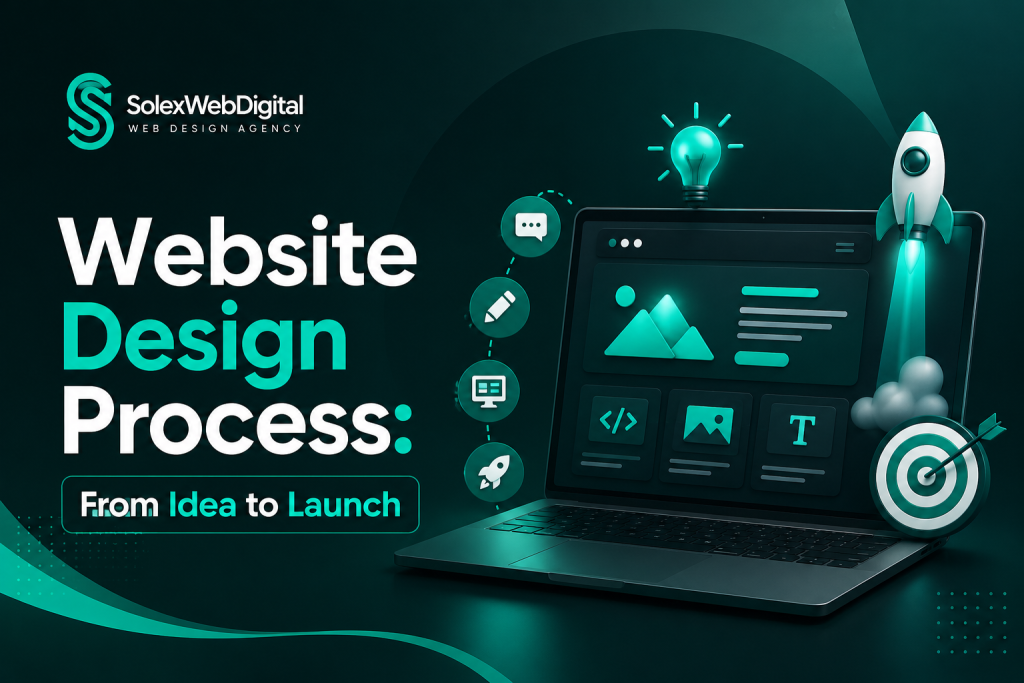
Creating a successful website involves much more than choosing colors and adding images. A structured process ensures your website is visually appealing, user-friendly, secure, and optimized for search engines.
Whether you’re building a website for a small business, an online store, a school, or a corporate organization, following a proven process will save time and produce better results.
1. Define Your Website Goals
Before any design work begins, identify the purpose of your website.
Ask yourself:
- What do you want visitors to do?
- Who is your target audience?
- What problems will your website solve?
- Do you want leads, sales, bookings, or inquiries?
Having clear objectives helps shape every decision during the project.
2. Research Your Competitors
Look at websites from businesses in your industry.
Pay attention to:
- Their homepage layout
- Navigation menu
- Call-to-action buttons
- Content structure
- Loading speed
- Mobile experience
The goal isn’t to copy competitors but to understand industry standards and identify opportunities to stand out.
3. Plan Your Website Structure
Organize your pages before design begins.
A typical business website includes:
- Home
- About Us
- Services
- Portfolio
- Blog
- FAQs
- Contact
A clear structure improves navigation and helps search engines understand your website.
4. Design the User Interface (UI)
This stage focuses on the visual appearance of the website.
Elements include:
- Brand colors
- Typography
- Buttons
- Icons
- Images
- Layout
- White space
A professional design creates a positive first impression and encourages visitors to explore further.
5. Develop the Website
Once the design is approved, developers build the website.
This includes:
- Responsive layouts
- Contact forms
- Security features
- Speed optimization
- Database integration (if needed)
- Payment gateways (for e-commerce)
- SEO-friendly code
6. Test Everything
Before launch, every feature should be tested.
Check:
- Mobile responsiveness
- Contact forms
- Internal links
- Images
- Buttons
- Browser compatibility
- Loading speed
- Security
Fixing issues before launch creates a better experience for visitors.
7. Launch the Website
Once testing is complete, the website goes live.
After launch, continue monitoring:
- Visitor behavior
- Search rankings
- Website speed
- Security
- Broken links
Launching a website is just the beginning. Regular updates and improvements are essential for long-term success.
Website Design Checklist
Every successful website should include the following essentials.
Branding
Professional logo
Consistent brand colors
Easy-to-read typography
High-quality visuals
User Experience
Clear navigation
Simple page structure
Fast loading speed
Mobile-friendly layout
Easy-to-find contact information
Content
Unique content
Service descriptions
About page
Contact page
Frequently Asked Questions
Strong calls to action
SEO Essentials
Optimized page titles
Meta descriptions
Proper heading structure (H1, H2, H3)
Internal links
Optimized images
XML sitemap
HTTPS security
Clean URLs
Performance
Compressed images
Browser caching
Fast hosting
Optimized code
Core Web Vitals optimization
Internal Resource
For a more detailed guide, read our Website Design Checklist, where we explain each item step by step.
Why Responsive Website Design Is Essential
Today, most people browse the internet using smartphones. If your website doesn’t work properly on mobile devices, visitors are likely to leave quickly.
Responsive website design ensures your website automatically adjusts to different screen sizes, including:
- Smartphones
- Tablets
- Laptops
- Desktop computers
Instead of creating separate websites for each device, a responsive design uses flexible layouts and images to provide a consistent experience.
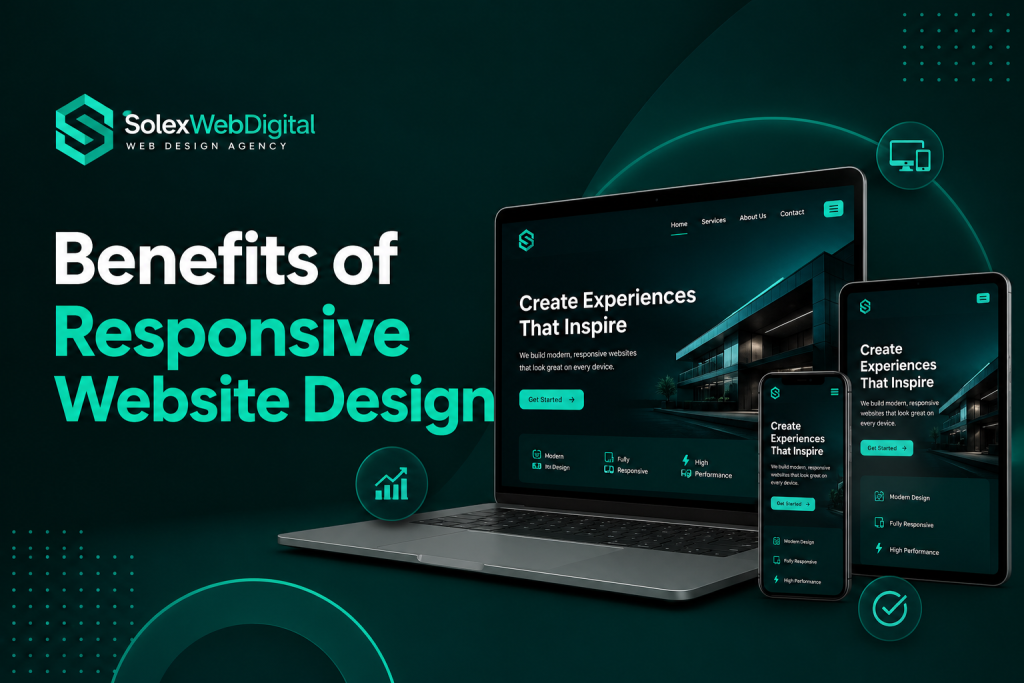
Benefits of Responsive Website Design
Better User Experience
Visitors can read content, click buttons, and navigate pages comfortably on any device.
Improved Google Rankings
Google uses mobile-first indexing, meaning it primarily evaluates the mobile version of your website.
A responsive website can improve your visibility in search results.
Faster Loading Speed
Responsive websites are generally optimized for performance, helping pages load quickly across devices.
Fast websites improve user satisfaction and can reduce bounce rates.
Increased Conversions
A mobile-friendly website makes it easier for users to:
- Fill out contact forms
- Make purchases
- Request quotes
- Book appointments
The simpler the experience, the more likely visitors are to become customers.
Lower Maintenance Costs
Maintaining one responsive website is more efficient than managing separate desktop and mobile versions.
Internal Resource
Learn more in our dedicated Responsive Website Design Guide, where we explain responsive layouts, breakpoints, mobile optimization, and best practices.
Common Website Design Mistakes to Avoid
Even a visually attractive website can fail if it makes common usability mistakes.
Here are some of the biggest issues businesses should avoid.
Slow Loading Speed
Visitors expect websites to load within seconds.
Slow websites often result from:
- Large image files
- Poor hosting
- Too many plugins
- Unoptimized code
Compressing images, using caching, and choosing quality hosting can significantly improve performance.
Poor Mobile Experience
If users need to zoom or scroll horizontally, your website isn’t mobile-friendly.
Since many Nigerian users browse on mobile devices, responsive design is essential.
Confusing Navigation
Visitors should quickly find what they’re looking for.
Avoid:
- Too many menu items
- Hidden pages
- Complicated navigation
- Broken links
Simple navigation improves both user experience and SEO.
Weak Calls to Action
Every page should guide visitors toward a clear next step.
Examples include:
- Request a Quote
- Contact Us
- Book a Consultation
- Get Started
- Download Our Guide
Without clear calls to action, visitors may leave without taking action.
Low-Quality Content
Publishing thin, duplicated, or outdated content can reduce trust and affect search rankings.
Focus on creating content that is:
- Helpful
- Original
- Well-structured
- Regularly updated
Ignoring SEO
Many websites are launched without basic SEO optimization.
Common mistakes include:
- Missing title tags
- Duplicate meta descriptions
- Missing image alt text
- Poor heading structure
- No internal linking
Optimizing these elements helps search engines understand your content and improves your chances of ranking.
Outdated Design
Web design trends evolve over time.
An outdated website can make your business appear less credible.
Refresh your website periodically with:
- Modern layouts
- Updated images
- Improved typography
- Better functionality
Internal Resource
For a deeper look at these issues and practical solutions, read our Website Design Mistakes to Avoid guide.
Why Following Best Practices Matters
A successful website is built on more than good looks. It combines thoughtful planning, user-focused design, technical performance, and ongoing optimization.
By following a structured design process, using a comprehensive checklist, prioritizing responsive design, and avoiding common mistakes, you’ll create a website that delivers a better experience for visitors and supports your business goals.
Website Design Cost in Nigeria
One of the first questions business owners ask is, “How much does website design cost in Nigeria?” The answer depends on several factors, including the type of website, the number of pages, the features you need, and the experience of the web design agency.
A simple informational website will generally cost less than a custom e-commerce platform with payment integration, user accounts, and advanced functionality.
Factors That Affect Website Design Cost
1. Type of Website
The complexity of your project plays a major role in determining the final price.
Examples include:
- Business website
- Corporate website
- E-commerce website
- School portal
- Hospital website
- Real estate website
- Hotel booking website
- NGO website
Each requires different features and development time.
2. Number of Pages
A five-page website requires less work than a website with 50 pages.
Additional pages often include:
- Blog
- FAQ
- Careers
- Portfolio
- Case Studies
- Resources
- Privacy Policy
- Terms and Conditions
3. Custom Features
Features that can increase the cost include:
- Online payment integration
- Booking systems
- Membership portals
- Learning Management Systems (LMS)
- Property search
- Customer dashboards
- Live chat
- API integrations
4. Website Design Quality
Professionally designed websites are usually more effective because they focus on:
- User experience
- Mobile responsiveness
- SEO
- Speed optimization
- Branding
- Conversion optimization
Choosing quality often saves money in the long run by reducing the need for redesigns.
5. Website Maintenance
Your investment doesn’t end after launch. Ongoing maintenance helps keep your website:
- Secure
- Updated
- Fast
- Reliable
- Compatible with modern browsers
Maintenance is an important part of your overall website budget.
Internal Resource
Read our detailed Website Design Cost in Nigeria guide to understand pricing, factors that influence costs, and how to budget for your project.
Affordable Website Design for Small Businesses
Many small businesses assume they cannot afford a professional website. In reality, affordable website design solutions are available without sacrificing quality.
The key is choosing the right features based on your current business needs.
Start with Essential Pages
Most small businesses only need:
- Home
- About
- Services
- Contact
- Blog
Additional features can be added as the business grows.
Prioritize Business Goals
Instead of adding every possible feature, focus on what delivers value.
For example:
- Contact forms
- WhatsApp integration
- Google Maps
- Testimonials
- Call-to-action buttons
These features often generate more leads than unnecessary animations or complex functionality.
Invest in SEO Early
A beautiful website won’t generate results if nobody can find it.
Basic SEO should include:
- Optimized page titles
- Meta descriptions
- Internal linking
- Fast loading speed
- Image optimization
- Keyword-focused content
Investing in SEO from the beginning can help attract organic traffic and reduce long-term advertising costs.
Choose a Scalable Website
Your business will grow over time.
A scalable website allows you to add:
- Online payments
- More service pages
- E-commerce
- Booking systems
- Customer portals
without rebuilding the entire website.
Internal Resource
Learn how to maximize your budget in our Affordable Website Design for Small Businesses guide.
How Long Does It Take to Build a Website?
The timeline for website design depends on the size and complexity of the project.
A simple business website may be completed in a relatively short time, while larger custom projects require additional planning, design, development, testing, and revisions.
Typical Website Design Stages
Discovery
Understanding your business goals, audience, and project requirements.
Planning
Creating the sitemap, content structure, and wireframes.
Design
Designing the user interface and overall appearance of the website.
Development
Building the website and implementing required functionality.
Testing
Checking:
- Forms
- Mobile responsiveness
- Speed
- Security
- Browser compatibility
- Internal links
Launch
Publishing the website and making it available to the public.
Factors That Can Delay a Website Project
Some common causes of delays include:
- Late content delivery
- Frequent design changes
- Additional feature requests
- Delayed client feedback
- Third-party integrations
Providing content, images, and approvals on time helps keep the project on schedule.
Internal Resource
Read our How Long Does It Take to Build a Website? article for a detailed breakdown of timelines for different types of websites.
Website Maintenance Guide
Launching your website is only the beginning. Without regular maintenance, even the best website can develop security vulnerabilities, performance issues, and outdated content.
Website maintenance keeps your website healthy and performing at its best.
Why Website Maintenance Matters
Regular maintenance helps:
- Improve security
- Prevent hacking
- Increase website speed
- Fix broken links
- Improve user experience
- Maintain search engine rankings
Regular Website Maintenance Tasks
Software Updates
Update:
- WordPress core
- Themes
- Plugins
Outdated software is one of the leading causes of website security issues.
Backups
Regular backups allow you to restore your website if something goes wrong.
Backups should be stored securely and tested periodically.
Security Monitoring
Protect your website by:
- Using strong passwords
- Installing SSL certificates
- Monitoring login attempts
- Running malware scans
- Enabling firewalls
Performance Optimization
Keep your website fast by:
- Compressing images
- Using browser caching
- Optimizing databases
- Removing unused plugins
- Monitoring Core Web Vitals
Content Updates
Fresh content keeps visitors engaged and signals to search engines that your website is active.
Update:
- Blog posts
- Service pages
- Team information
- Pricing
- Portfolio
- Testimonials
SEO Monitoring
Regularly review:
- Keyword rankings
- Search Console reports
- Broken links
- Indexing issues
- Internal links
- Meta descriptions
Continuous SEO improvements help maintain and improve your rankings over time.
Internal Resource
Read our comprehensive Website Maintenance Guide for a complete maintenance checklist and best practices.
Why These Four Areas Matter Together
Understanding website costs, planning a realistic timeline, choosing affordable solutions, and maintaining your website are all essential parts of a successful online presence.
A well-maintained website is more likely to:
- Rank higher in search engines
- Deliver a better user experience
- Generate more leads
- Increase customer trust
- Support long-term business growth
Instead of viewing website design as a one-time expense, think of it as an ongoing investment in your business.
How to Choose the Best Website Design Company in Nigeria
Selecting the right web design agency is one of the most important decisions you’ll make for your business. Your website is often the first impression potential customers have of your brand, so it’s essential to work with a company that understands your goals and can deliver a high-quality, results-driven website.
Here are the key factors to consider when choosing a website design company in Nigeria.
1. Review Their Portfolio
A professional web design company should have a portfolio showcasing previous work.
Look for:
- Modern and attractive designs
- Mobile-friendly websites
- Fast-loading pages
- Different industries served
- Consistent quality
A portfolio gives you confidence in the agency’s ability to deliver a website that matches your expectations.
2. Check Their Experience
Experience matters because an established agency has likely worked on a variety of projects and understands how to solve common challenges.
Ask questions such as:
- How long have they been designing websites?
- Have they worked with businesses in your industry?
- What technologies do they use?
- Can they handle future upgrades?
3. Read Client Reviews
Customer reviews can provide valuable insights into an agency’s professionalism, communication, and reliability.
Pay attention to comments about:
- Project delivery
- Customer support
- Quality of work
- Responsiveness
- After-sales service
4. Ask About SEO
A visually appealing website is only effective if people can find it.
A good website design company should understand:
- On-page SEO
- Technical SEO
- Mobile optimization
- Page speed optimization
- Image optimization
- Internal linking
- Structured heading hierarchy
SEO should be built into the website from the beginning rather than added later.
5. Ensure They Offer Responsive Website Design
Your website should provide an excellent experience across:
- Smartphones
- Tablets
- Laptops
- Desktop computers
Responsive websites improve usability and support better search engine rankings.
6. Ask About Website Maintenance
Many businesses overlook maintenance when choosing a web design agency.
Ongoing support may include:
- Software updates
- Security monitoring
- Website backups
- Speed optimization
- Bug fixes
- Technical support
Choosing an agency that offers maintenance can save you time and reduce future issues.
7. Consider Communication and Support
Clear communication is essential throughout the project.
Choose a company that:
- Responds promptly
- Explains technical concepts clearly
- Provides regular updates
- Offers training if needed
Good communication often leads to a smoother project and better results.
8. Compare Value, Not Just Price
The cheapest option isn’t always the best.
Instead of focusing only on cost, consider:
- Quality of design
- SEO expertise
- User experience
- Performance optimization
- Security
- Long-term support
A well-designed website can generate leads and revenue for years, making it a worthwhile investment.
Internal Resource
To learn more about selecting the right agency, read our Best Website Design Company in Nigeria guide.
Frequently Asked Questions
What is website design?
Website design is the process of planning, creating, and maintaining websites that are visually appealing, user-friendly, and functional.
Why is website design important for businesses in Nigeria?
Professional website design helps businesses build credibility, attract customers online, improve user experience, and increase sales.
How much does website design cost in Nigeria?
The cost depends on the type of website, required features, number of pages, design complexity, and ongoing maintenance needs.
How long does it take to build a website?
Project timelines vary depending on the size and complexity of the website, content availability, and revision process.
What is responsive website design?
Responsive website design allows a website to adapt automatically to different screen sizes, providing a consistent experience on mobile devices, tablets, and desktops.
Why is website maintenance important?
Website maintenance helps keep your website secure, updated, fast, and compatible with modern technologies while protecting your search engine rankings.
Can a website help my business appear on Google?
Yes. When combined with effective SEO, high-quality content, and proper technical optimization, a website can improve your visibility in Google search results.
How often should I update my website?
It’s recommended to review and update your website regularly by publishing fresh content, updating software, checking security, and improving performance.
Do small businesses need a professional website?
Yes. A professional website helps small businesses establish credibility, reach more customers, and compete effectively in today’s digital marketplace.
How do I choose the best website design company in Nigeria?
Look for an agency with a strong portfolio, positive client reviews, SEO expertise, responsive design capabilities, transparent pricing, and reliable ongoing support.
Final Thoughts
Building a successful website involves much more than choosing a beautiful design. It requires careful planning, a clear understanding of your audience, strong branding, search engine optimization, responsive layouts, fast performance, and ongoing maintenance.
This Complete Guide to Website Design in Nigeria has covered the key stages of planning, designing, launching, and maintaining a professional website. By following these best practices, you can create a website that not only looks great but also supports your business goals and delivers a positive experience for your visitors.
Whether you’re starting your first website or redesigning an existing one, investing in quality website design is an investment in your business’s long-term success.
Continue Learning
To explore each topic in greater detail, read these related resources:
- Website Design Cost in Nigeria
- How Long Does It Take to Build a Website?
- Website Design Checklist
- Responsive Website Design Guide
- Website Design Mistakes to Avoid
- Affordable Website Design for Small Businesses
- Website Maintenance Guide
- Best Website Design Company in Nigeria
These supporting articles expand on the topics introduced in this guide and strengthen your understanding of website design while helping search engines recognize your site’s topical authority.
Why Choose Solexwebdigital Webdesign Agency?
At Solexwebdigital Webdesign Agency, we help businesses across Nigeria build modern, responsive, and SEO-friendly websites that are designed to generate leads, improve customer experience, and support long-term growth.
Our services include:
- Custom Website Design
- E-commerce Website Development
- Website Redesign
- Search Engine Optimization (SEO)
- Website Maintenance
- Website Speed Optimization
- Responsive Website Design
- Website Hosting Support
Whether you’re launching a new business, expanding your online presence, or upgrading an existing website, our team is committed to delivering solutions tailored to your business goals.
Ready to Build a Professional Website?
If you’re ready to create a fast, secure, and professionally designed website, contact Solexwebdigital Webdesign Agency today. We’ll help you turn your ideas into a website that reflects your brand, engages your audience, and supports your business growth.
Follow us on https://www.tiktok.com/webdesignerinnigeria
)
No comment